
The Next Generation of Environmental Monitoring: Environmental DNA in Federal Agency Practice
Federal and state agencies have begun using residual genetic information taken from the environment—environmental DNA or eDNA—to help make management […]
Federal and state agencies have begun using residual genetic information taken from the environment—environmental DNA or eDNA—to help make management […]
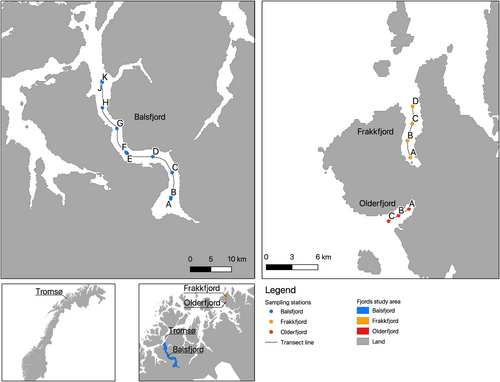
Environmental DNA (eDNA) has gained popularity as a tool for ecosystem biomonitoring and biodiversity assessment. Although much progress has been
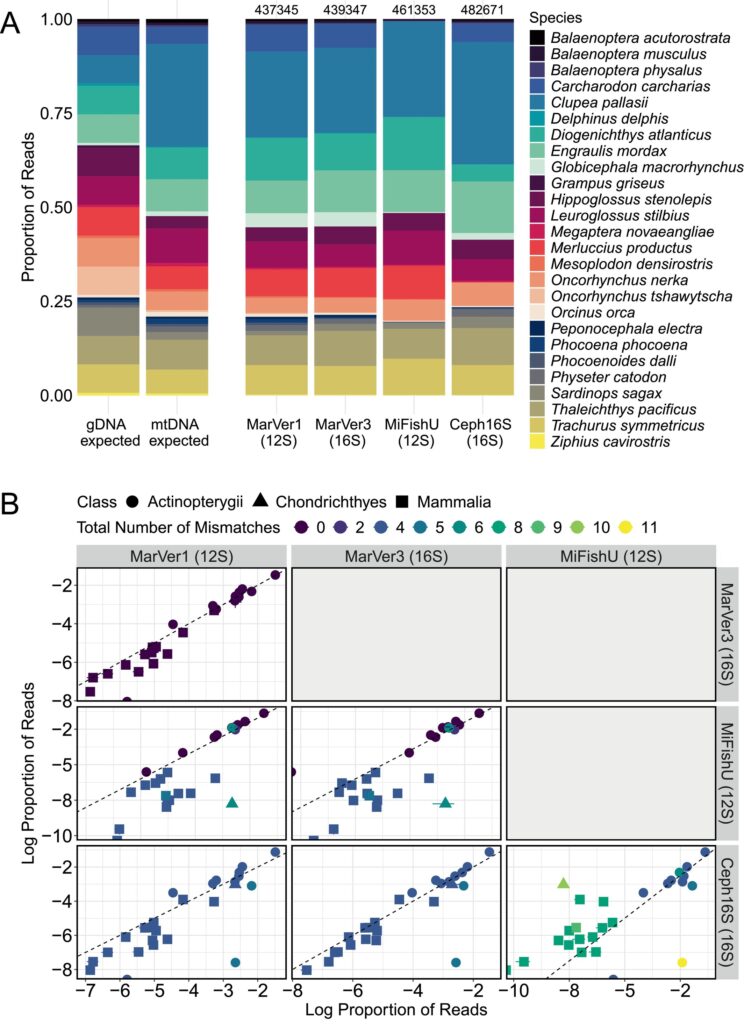
DNA metabarcoding is subject to observation bias associated with PCR and sequencing, which can result in observed read proportions differing

Detections of environmental nucleic acids (eNA), such as DNA and RNA, are powerful tools for monitoring biodiversity. Yet, precise interpretation
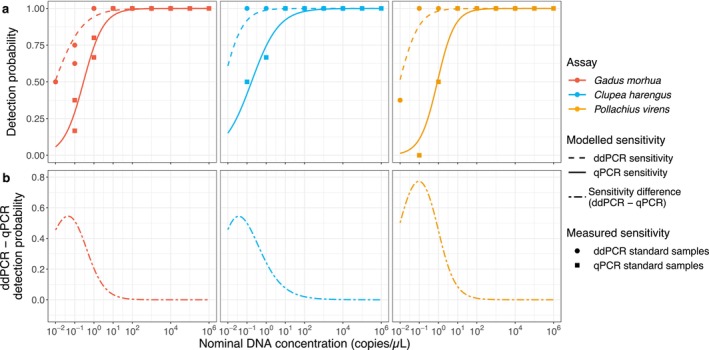
Environmental DNA (eDNA) detection employing quantitative PCR (qPCR) and droplet digital PCR (ddPCR) offers a non-invasive and efficient approach for
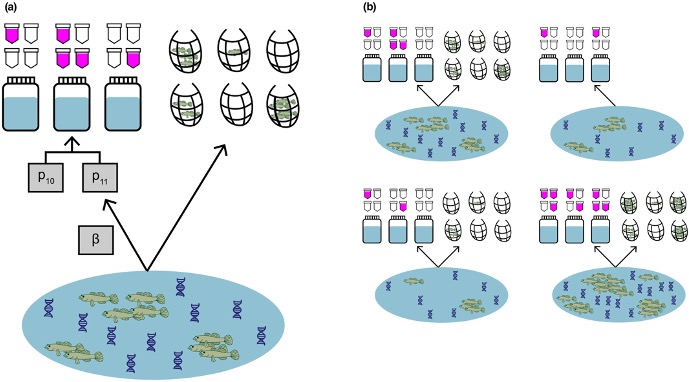
Environmental DNA (eDNA) sampling is increasingly used in surveys of species distribution as a potentially sensitive and efficient monitoring method.
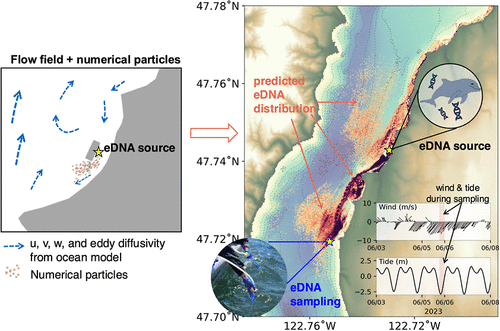
Environmental DNA (eDNA) is increasingly used for species detection and biodiversity monitoring in estuary and marine environments. The dynamic nature

Environmental DNA (eDNA) analysis is a technique for detecting organisms based on genetic material in environments such as air, water,
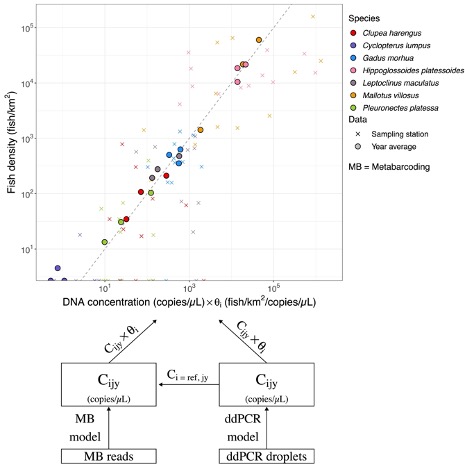
Quantifying the biomass, or number of individuals, diversity, and distribution of marine species is a critical aspect of understanding and

Predation by invasive species can threaten local ecosystems and economies. The European green crab (Carcinus maenas), one of the most