Estimating Organism Abundance Using Within‐Sample Haplotype Frequencies of eDNA Data
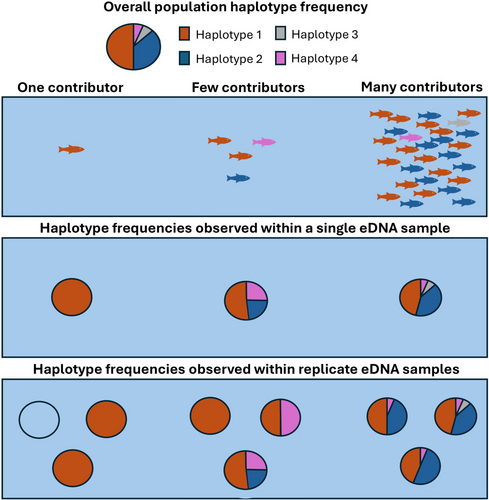
Environmental DNA (eDNA) provides powerful insights into species presence and community composition but remains limited in its capacity to infer […]
Environmental DNA (eDNA) provides powerful insights into species presence and community composition but remains limited in its capacity to infer […]
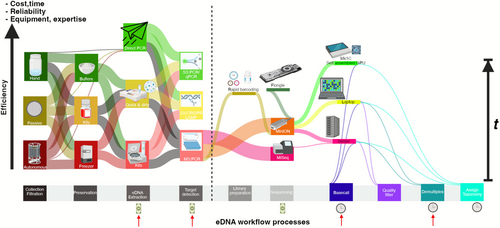
Environmental DNA (eDNA) analysis enables biodiversity monitoring by detecting organisms from trace genetic material, but high reagent costs, cold-chain logistics
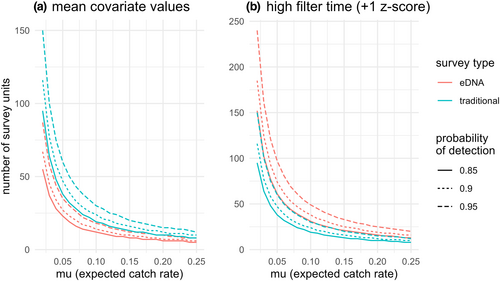
Environmental DNA (eDNA) sampling is increasingly used in surveys of species distribution as a potentially sensitive and efficient monitoring method.

Coastal ecosystems are some of the most biologically diverse and productive marine ecosystems on Earth. But direct human impacts at
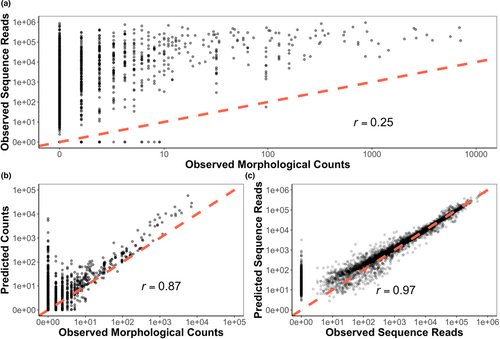
Marine heatwaves can drive large-scale shifts in marine ecosystems, but studying their impacts on whole species assemblages is difficult. Analysis
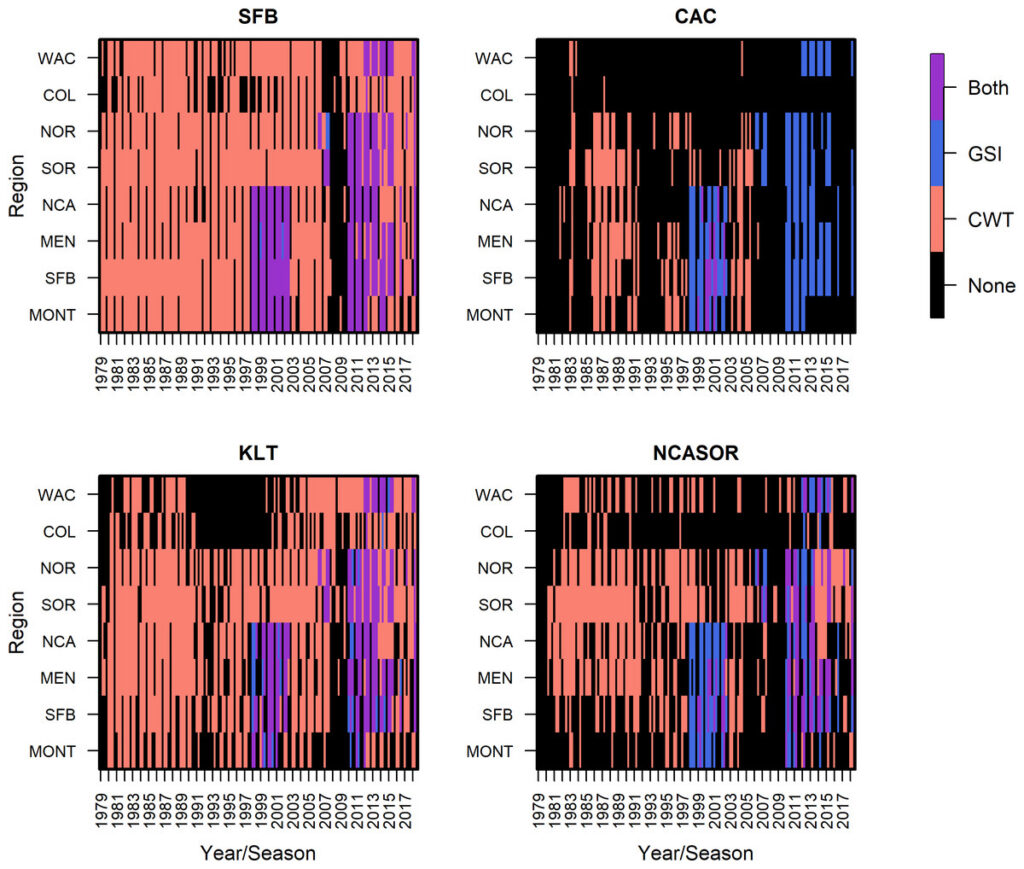
Considerable resources are spent to track fish movement in marine environments, often with the intent of estimating behavior, distribution, and
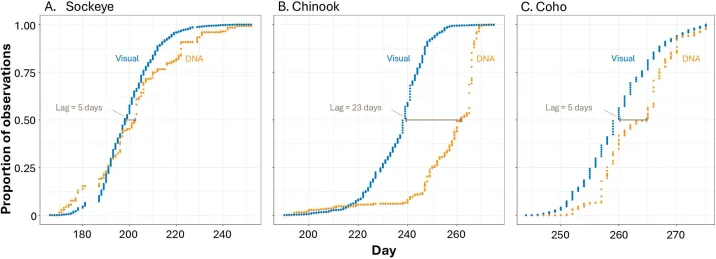
Pacific salmon (Oncorhynchus spp.) are keystone species that support commercial and recreational fisheries and play a significant role in Indigenous
Environmental DNA (eDNA) has become a transformative tool for biodiversity monitoring and conservation across Southeast Asia, one of the world’s
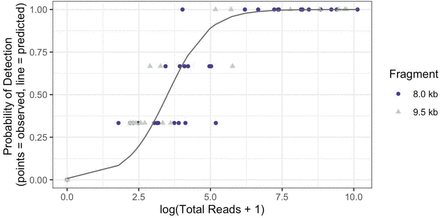
Long-read sequencing data can provide increased taxonomic resolution and genomic linkage information that is otherwise impossible to obtain from short-read