Non-target detections change the interpretation of environmental DNA communities
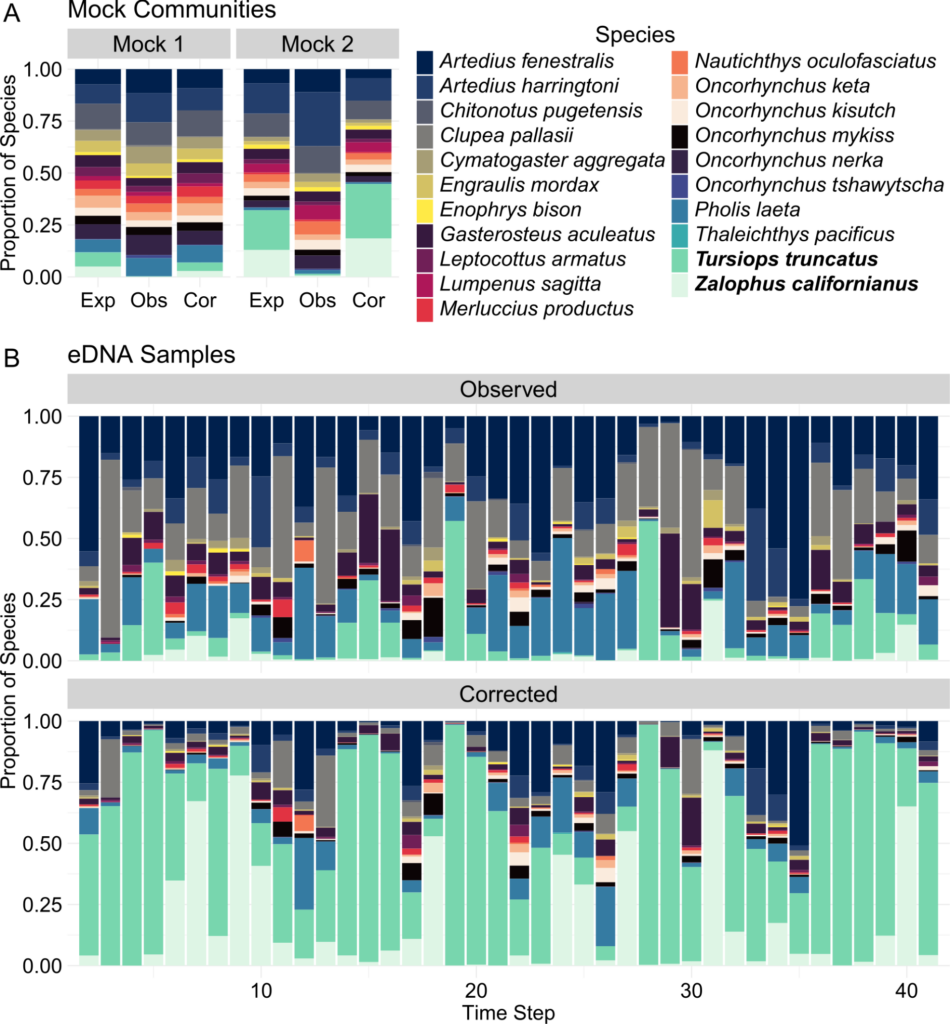
Environmental DNA (eDNA) samples capture mixtures of DNA from a wide range of organisms and often yield metabarcoding datasets that […]
Environmental DNA (eDNA) samples capture mixtures of DNA from a wide range of organisms and often yield metabarcoding datasets that […]
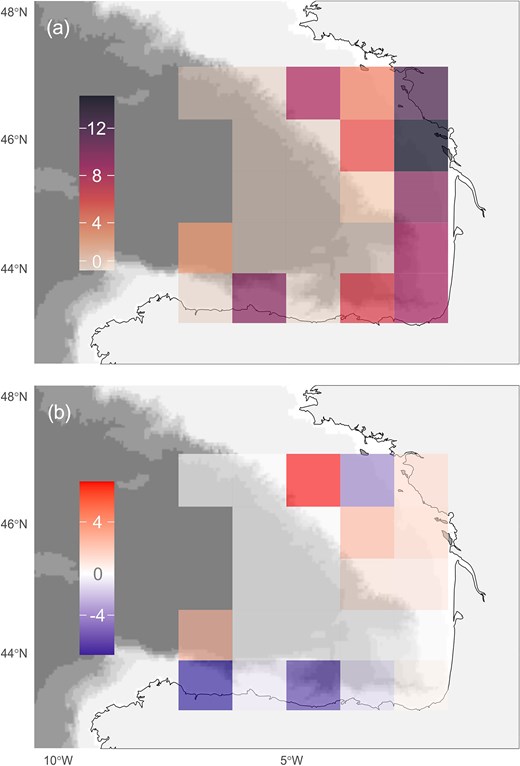
Accurate abundance estimates of fisheries resources are essential for sustainable fisheries management. In response to the growing need for developing
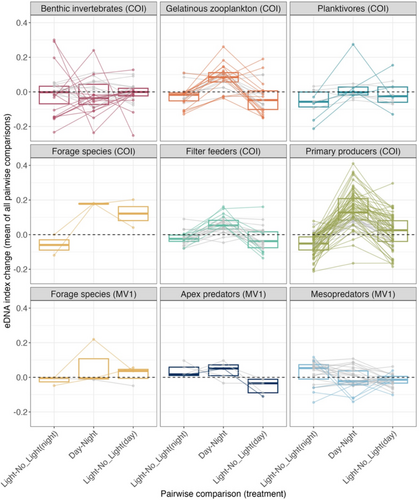
Changes in natural and artificial light presumably have dramatic influences on ecological communities, yet measuring these effects can be challenging
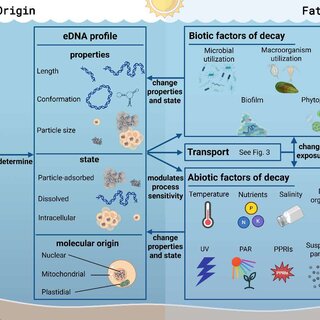
The use of environmental DNA (eDNA) in routine biomonitoring is transforming our ability to detect and quantify aquatic species. However,
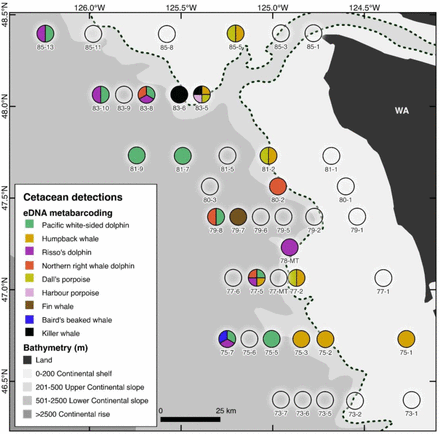
Effective cetacean conservation depends on robust monitoring, yet traditional visual and passive-acoustic surveys have constraints. We evaluated environmental DNA (eDNA)
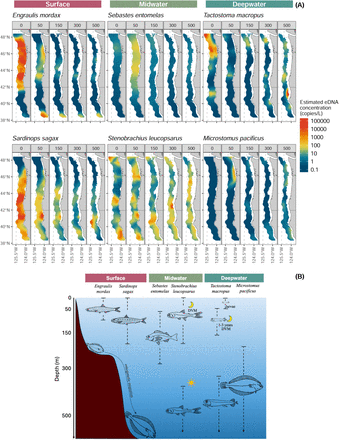
Molecular data from environmental samples can reflect the abundance of species’ DNA, an index immediately relevant to natural-resources management at
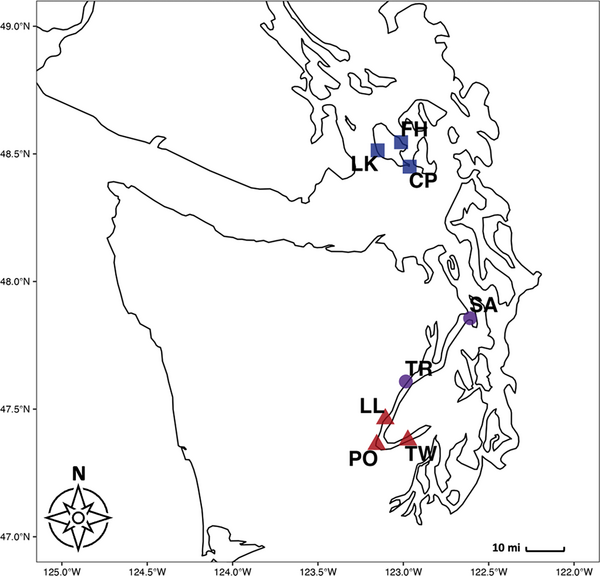
Non-native species have the potential to cause ecological and economic harm to coastal and estuarine ecosystems. Understanding which habitat types

Considerable resources are spent to track fish movement in marine environments, often with the intent of estimating behavior, distribution, and

The analysis of environmental DNA (eDNA) is a rapidly developing field with great potential and as-yet-undreamed-of uses in conservation and